
Sleep Apnea Treatment in Louisville
Our dental solutions can help you breathe better and sleep better
William H. Smythe DMD in Louisville offers custom oral appliance therapy for obstructive sleep apnea (OSA) — a comfortable, CPAP-free alternative that keeps your airway open while you sleep. Dr. William H. Smythe IV works with your sleep physician to design a mandibular advancement device fitted precisely to your bite, helping you breathe easier, sleep deeper, and wake more rested. Schedule your sleep apnea consultation or call (502) 448-2876.
What is Sleep Apnea
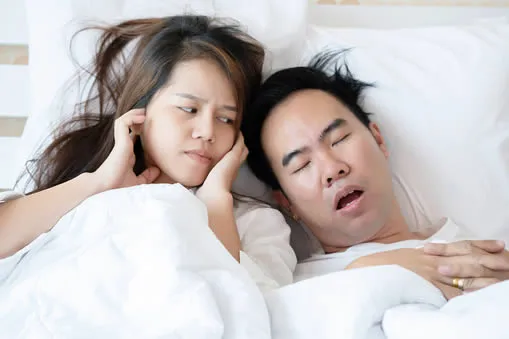
Sleep apnea is a common sleep disorder that affects millions of people worldwide, yet it often goes undiagnosed. It is a condition that causes a person to experience breathing interruptions during sleep, resulting in sleep disturbances and daytime fatigue. There are various forms of sleep apnea, including obstructive sleep apnea, central sleep apnea, and complex sleep apnea syndrome. While anyone can develop sleep apnea, it is more common in people who are overweight, over the age of 40, or have a family history of the condition. If left untreated, sleep apnea can lead to more severe health complications. However, with early detection and appropriate treatment, people with sleep apnea can enjoy a better quality of life.
Oral appliance therapy at William H. Smythe DMD requires a confirmed sleep apnea diagnosis from a sleep physician — we do not diagnose sleep apnea. Once diagnosed, Dr. William H. Smythe IV designs a custom mandibular advancement device (MAD) that gently repositions your lower jaw forward during sleep, keeping the airway open. We coordinate with your sleep doctor to verify treatment effectiveness through follow-up sleep testing.
Medically reviewed by Dr. William H. Smythe IV, DMD · University of Louisville School of Dentistry, 1996 · Kentucky dental license #7195 · William H. Smythe DMD, 5141 Dixie Highway, Louisville, KY 40216 · same location since 1973.
What are the different types of sleep apnea?
Sleep apnea is characterized by episodes of breathing cessation during sleep, which can cause a range of health problems, including heart disease, diabetes, and hypertension. There are four types of sleep apnea, each with unique causes and symptoms:
Obstructive Sleep Apnea (OSA)
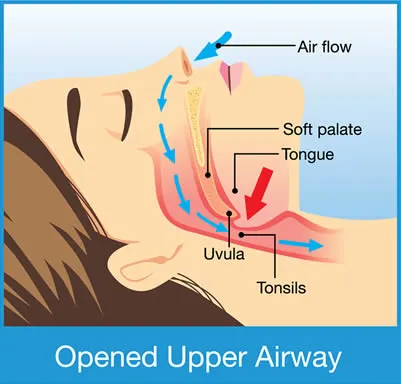
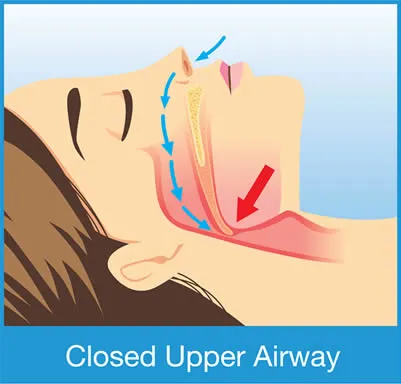
Obstructive sleep apnea is the most common type of sleep apnea. It occurs when the muscles in the back of the throat fail to keep the airway open during sleep. As a result, the individual may snore loudly, gasp for breath, and wake up frequently throughout the night. OSA is more common in individuals who are overweight, have a family history of sleep apnea, or have a narrow airway.
Central Sleep Apnea (CSA)
Central sleep apnea is a less common type of sleep apnea that occurs when the brain fails to send signals to the muscles that control breathing. As a result, the individual may experience pauses in breathing or shallow breaths during sleep. CSA is more common in individuals with certain medical conditions, such as heart failure or stroke.
Complex Sleep Apnea Syndrome (CompSA)
Complex sleep apnea syndrome is a relatively new type of sleep apnea that combines the characteristics of both OSA and CSA. It occurs when an individual with OSA is treated with continuous positive airway pressure (CPAP) therapy, but their central apneas persist. This condition is also known as treatment-emergent central sleep apnea.
Mixed Sleep Apnea:
Mixed sleep apnea is a combination of obstructive and central sleep apnea. It occurs when the muscles in the back of the throat partially block the airway, but the brain also fails to send signals to the muscles that control breathing. This type of sleep apnea can be difficult to diagnose, as the symptoms can be similar to those of OSA or CSA.
More Questions about Sleep Apnea?
Contact our office today to schedule a consultation.
What are common symptoms or signs of sleep apnea?
Sleep apnea is a common sleep disorder that affects millions of people. Here are some common symptoms of sleep apnea:
- Loud and persistent snoring
- Pauses in breathing during sleep
- Gasping or choking during sleep
- Daytime sleepiness and fatigue
- Morning headaches
- Difficulty concentrating or remembering things
- Irritability and mood changes
- Decreased libido
- Dry mouth or sore throat upon waking
- Restless sleep or insomnia
- Breathing through the mouth during sleep
- Night sweats
If you experience any of these symptoms or signs, it’s important to schedule a consultation at our Louisville dental office to determine if a oral appliance is necessary.
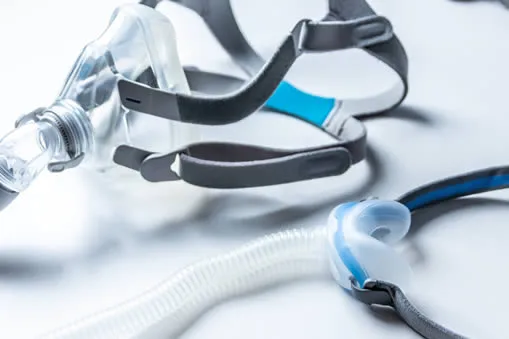
What are the types of oral devices that treat sleep apnea and how can a dentist help?
Dentists can help with sleep apnea by providing oral appliance therapy. Sleep apnea is a sleep disorder in which a person’s breathing repeatedly stops and starts during sleep. One type of sleep apnea, called obstructive sleep apnea (OSA), occurs when the muscles in the back of the throat fail to keep the airway open, causing breathing to stop for brief periods.
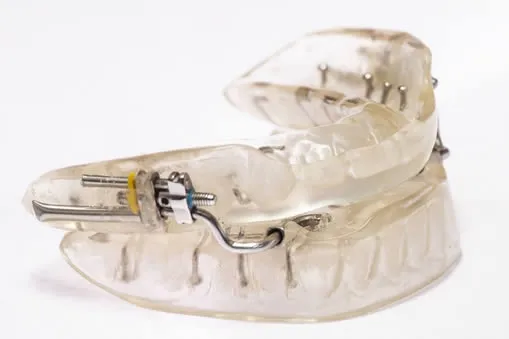
Oral appliance therapy involves using a custom-fitted oral appliance, similar to a mouthguard or retainer, to help keep the airway open during sleep. The appliance is worn in the mouth and works by repositioning the jaw or tongue to prevent the airway from collapsing. This can improve airflow and reduce the number of apnea events that occur during the night.
Oral appliances are a non-invasive treatment option for sleep apnea that can be used in place of or in addition to continuous positive airway pressure (CPAP) therapy. Here are some common types of oral appliances used to treat sleep apnea:
- Mandibular advancement devices (MADs) are the most commonly used oral appliance for sleep apnea. MADs work by repositioning the lower jaw slightly forward to help keep the airway open. These appliances are custom-made by a dentist or orthodontist and may require adjustments over time to ensure optimal results.
- Tongue retaining devices (TRDs) are another type of oral appliance used to treat sleep apnea. These appliances work by holding the tongue in a forward position to prevent it from blocking the airway during sleep. TRDs may be less effective than MADs for some individuals, particularly those with larger tongues or smaller mouths.
- Combination devices are oral appliances that combine the features of both MADs and TRDs. These appliances work by holding the lower jaw and tongue in a forward position to help keep the airway open. Combination devices may be more effective than MADs or TRDs alone for some individuals.
- Palatal lift devices are a less common type of oral appliance used to treat sleep apnea. These appliances work by lifting the soft palate and opening up the airway. Palatal lift devices may be suitable for individuals who are unable to tolerate other types of oral appliances.
Note that oral appliances may not be suitable for everyone with sleep apnea. The appropriate type of appliance will depend on the individual’s specific needs and preferences, as well as the severity of their sleep apnea. Contact our William H. Smythe DMD to schedule an appointment to explore your sleep apnea options.
What are factors that affect sleep apnea?
Sleep apnea can lead to a range of health problems, including high blood pressure, heart disease, and stroke. There are many factors that can affect the severity of sleep apnea and understanding these factors can help individuals take steps to reduce their risk of developing sleep apnea and manage the condition effectively.
- Lifestyle factors, such as obesity, alcohol consumption, and smoking, can increase the risk of developing sleep apnea. Obesity is a significant risk factor, as excess body fat can cause the airway to narrow, leading to breathing difficulties during sleep. Alcohol consumption and smoking can also increase the risk of sleep apnea, as they can relax the muscles in the throat and disrupt normal breathing patterns.
- Genetics can also play a role in sleep apnea. Studies have shown that sleep apnea tends to run in families, and certain genetic factors may increase the risk of developing the condition. For example, a study published in the American Journal of Respiratory and Critical Care Medicine found that mutations in a gene called PHOX2B may increase the risk of developing central sleep apnea.
- Medical conditions such as high blood pressure, heart disease, and diabetes can increase the risk of developing sleep apnea. In some cases, sleep apnea may also be a symptom of an underlying medical condition. For example, individuals with thyroid problems or neurological disorders may be more likely to develop sleep apnea.
- Age and Gender – Sleep apnea is more common in older adults and men. As individuals age, the muscles in the throat may weaken, making it more difficult to keep the airway open during sleep. Men are also more likely to develop sleep apnea than women, although the risk increases for women after menopause.
- Sleep position can also affect the severity of sleep apnea. Sleeping on the back can cause the tongue and soft tissues in the throat to block the airway, leading to breathing difficulties. In contrast, sleeping on the side can help keep the airway open and reduce the risk of sleep apnea.
What are statistics related to sleep apnea?
Sleep apnea is a common sleep disorder in the United States that affects millions of people:
- Prevalence: It is estimated that around 22 million Americans suffer from sleep apnea, with about 80% of cases going undiagnosed.
- Risk Factors: Sleep apnea can affect people of all ages and genders, but certain factors can increase the risk of developing the condition. These include obesity, smoking, alcohol use, family history of sleep apnea, and having a large neck circumference.
- Economic Burden: Sleep apnea can have a significant economic impact on individuals and society as a whole. It is estimated that sleep apnea costs the US economy around $150 billion per year in lost productivity, healthcare costs, and motor vehicle accidents.
- Comorbidities: Sleep apnea has been linked to several comorbidities, including hypertension, cardiovascular disease, type 2 diabetes, depression, and stroke.
- Treatment: Continuous positive airway pressure (CPAP) therapy is a common treatment for sleep apnea, but studies have shown that adherence to therapy can be challenging. Other treatments for sleep apnea include lifestyle modifications, oral appliances, and surgery.
- Sleep Apnea in Children: Sleep apnea is not just a condition that affects adults. It is estimated that around 2-4% of children in the US suffer from sleep apnea, which can lead to behavioral and learning problems, as well as growth issues.
Benefits of Dental Sleep Apnea Treatment
Custom oral appliances offer an effective alternative to CPAP for many sleep apnea patients:
CPAP Alternative
Oral appliances provide effective treatment for mild to moderate obstructive sleep apnea without the noise, mask, and tubing of a CPAP machine.
Custom Fit for Comfort
Each oral appliance is custom-made from impressions of your teeth, ensuring a comfortable, secure fit that you can wear every night.
Portable and Quiet
Small enough to fit in your pocket, oral appliances are easy to travel with and produce no noise — unlike CPAP machines.
Improved Sleep Quality
By keeping the airway open, oral appliances reduce snoring, improve oxygen levels, and help you achieve deeper, more restorative sleep.
Reduced Health Risks
Untreated sleep apnea increases risk of heart disease, stroke, and diabetes. Effective treatment with an oral appliance helps protect your overall health.
Frequently Asked Questions About Sleep Apnea Treatment in Louisville
Sleep apnea is a sleep disorder characterized by pauses in breathing or shallow breaths during sleep.
Common symptoms of sleep apnea include loud snoring, pauses in breathing during sleep, daytime sleepiness, morning headaches, and dry mouth or sore throat upon waking.
MADs work by repositioning the lower jaw slightly forward to help keep the airway open.
TRDs are oral appliances that work by holding the tongue in a forward position to prevent it from blocking the airway during sleep.
Yes. At our Louisville dental office we offer sleep apnea treatment to patients in Louisville and the surrounding area. Contact our office today to schedule an appointment.
Common Concerns About Sleep Apnea Treatment
"I can't tolerate my CPAP — is the oral appliance really an alternative?"
Yes. The American Academy of Sleep Medicine recommends oral appliance therapy as a first-line treatment for mild to moderate OSA and for patients with severe OSA who cannot tolerate CPAP. The custom-fitted device is small, portable, silent, and requires no electricity — making it dramatically easier to use consistently than CPAP.
"Will the oral appliance change my bite?"
Long-term use of a mandibular advancement device can cause minor bite changes in some patients. Dr. William H. Smythe IV monitors your bite at every follow-up visit and can adjust the appliance to minimize this effect. Morning jaw exercises are also prescribed to help reset the bite after overnight wear.
"Does insurance cover oral appliance therapy?"
Oral appliance therapy for sleep apnea is typically covered under medical insurance (not dental) when prescribed by a sleep physician with a confirmed diagnosis. We help with insurance pre-authorization and provide all required documentation to maximize your coverage.
Risks and Considerations
- Oral appliance therapy requires a confirmed sleep apnea diagnosis from a sleep physician — dentists do not diagnose sleep apnea
- TMJ discomfort or jaw soreness may occur during the adjustment period (first 1–2 weeks)
- Long-term use can cause minor bite changes — monitored at regular follow-up visits
- Oral appliances are most effective for mild to moderate OSA — severe cases may still require CPAP or surgical intervention
- Untreated sleep apnea is linked to hypertension, heart disease, stroke, diabetes, and motor vehicle accidents
What Sleep Apnea Treatment Costs in Louisville
Cost depends on the size of the case, the materials chosen, and your individual diagnosis. Most cases fall into the low-to-mid four figures per tooth or area treated. We give a written estimate before any work begins.
Insurance: we accept most insurance plans and file claims on your behalf, so you do not have to chase reimbursement. We verify benefits before treatment and explain what is covered.
Payment options: Mastercard, Visa, American Express, Discover, cash, and CareCredit financing — which lets patients spread treatment cost across monthly payments.
If You Are Nervous About Your Visit
Most patients tell us the anticipation was worse than the procedure itself. Treatment is performed under local anesthesia — you will feel the brief pinch of the numbing injection, then nothing more than light pressure during the work itself. If anxiety is keeping you from treatment, talk to us at the consultation; we will pace the visit and explain every step in advance.
Sleep Apnea Treatment for Louisville, KY and the Surrounding Neighborhoods
William H. Smythe DMD has cared for Louisville families from the same Dixie Highway location since 1973. The office is on Dixie Highway in South End Louisville, with easy access from the Watterson Expressway (I-264) and I-64 — making the drive in from Shively, Pleasure Ridge Park, Valley Station, Iroquois Park, Auburndale, Beechmont, Fairdale, the South End, and across Jefferson County straightforward.
Our practice is family-friendly and accessible — free on-site parking, a wheelchair ramp, and an elevator to our second-floor office at Suite 202. Office hours are Monday through Wednesday 9 AM to 4 PM, Thursday 9 AM to 2 PM, and Friday 8:30 AM to 12:30 PM. To schedule, request an appointment online or call (502) 448-2876.
Medical Disclaimer
This content is for informational purposes only and does not constitute dental or medical advice, diagnosis, or treatment. Sleep apnea must be diagnosed by a qualified sleep physician through a sleep study. Oral appliance therapy is one treatment option and may not be appropriate for all patients. Untreated sleep apnea carries serious health risks. Consult Dr. William H. Smythe IV and your sleep physician regarding treatment options. Individual results may vary.
Learn More About Sleep Apnea Treatment in Louisville
Contact our office to discuss how this treatment can help you achieve your dental health goals.